Main:
Main: 
Most practices don’t shop for an IT provider very often. You sign, move on with running your practice, and don’t think about it again until something breaks or until you’re opening a second location and realize your current setup wasn’t built for this.
Key Questions Before Hiring a Dental IT Partner

Is the HIPAA Security Rule Final in 2026? Here’s What Dental Practices Need to Know

No, as of September 2026, the proposed HIPAA Security Rule overhaul (mandatory encryption, MFA, asset inventories, semiannual vulnerability scans, annual penetration testing, 72-hour restoration, and more) is still not final law. U.S. Department of Health and Human Services (HHS) has pushed its target finalization date multiple times, most recently to around July 2027. And that’s the target to issue a final rule, not a compliance deadline.
He Almost Lost 30 Years of Patient Data. Here’s What Changed.
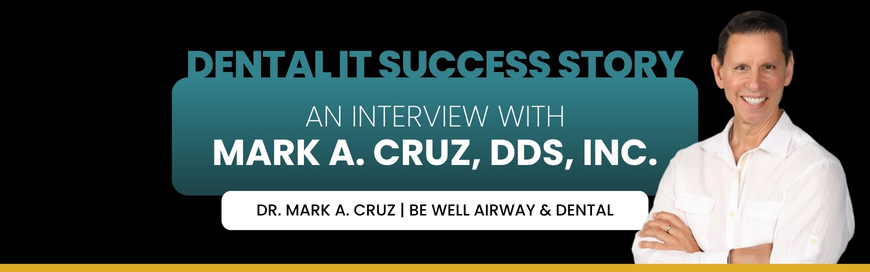
Most people slow down after 40 years in dentistry. Dr. Mark Cruz opened a practice three times the size of his last one.
This year, he moved his restorative and periodontal practice into a new facility, brought on partners, and folded in an airway-focused approach to care – “treating the patient attached to the teeth, not just the teeth attached to the patient.
How to Upgrade Your Dental Practice’s Technology Without Breaking the Bank
Last Updated: August 2026
For the 2026 tax year, dental practices can deduct up to $2,560,000 in qualifying technology and equipment purchases under Section 179, with the deduction phasing out once total purchases exceed $4,090,000. Equipment and software must be purchased or financed and placed into service by December 31, 2026.
You know your practice needs it.
Dental AI Tools Compared: Imaging, Voice, Front Desk & Insurance AI (2026 Guide)

A 2026 comparison of dental AI tools for imaging, voice charting, AI receptionists and insurance verification — plus how to find the exact stack that fits your PMS and imaging software.
From One Doctor to Ten Operatories: Aadland Dental Group’s Dental IT Success Story
Kim Shepherd was “scared to death” when her small IT provider merged into a larger company. Thirteen years later, Aadland Dental Group has grown from one doctor to three — and Kim says she never has to think about her IT. Here’s her story, in her own words.
Dental IT Support Behind the Scenes
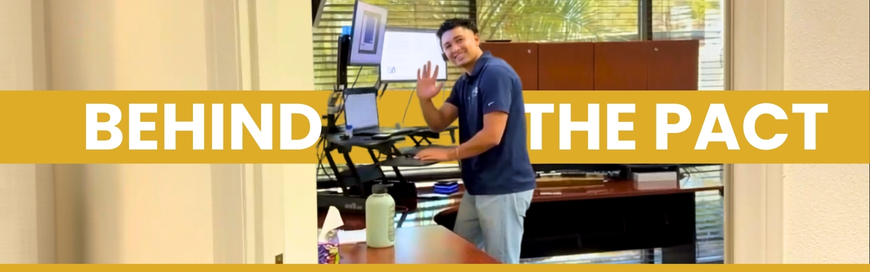
You call your IT company because something's wrong. Maybe it's your imaging sensor. Maybe your whole network just went dark ten minutes before your first patient.
And what do you get? Non-stop ringing or “Leave a message and…” You never even get to speak to a person.
The Most Overlooked Deadline in Your Dental Office: Windows Server 2016 End of Life
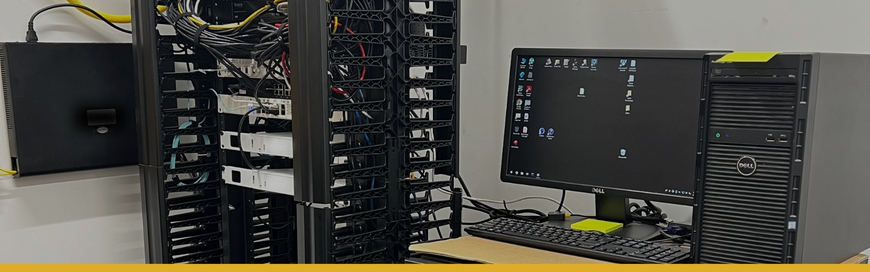
Windows Server 2016 reaches the end of Microsoft's extended support on January 12, 2027. After that, it stops receiving security patches, bug fixes, and technical support. The server keeps running, but new vulnerabilities discovered after that date are never patched — which creates compliance risk (HIPAA, PCI DSS) and can jeopardize cyber insurance coverage if a breach occurs on an unsupported system.
Windows 10 to Windows 11: What Your Dental Practice Needs to Know
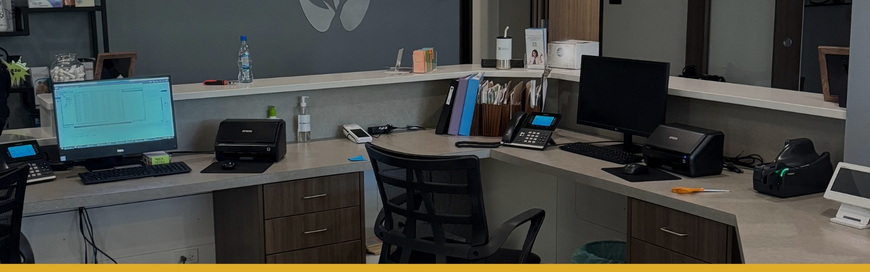
Windows 10 reached end of support on October 14, 2025, and no longer receives free security updates. If you're still using it, your options are: upgrade to Windows 11 (if your hardware qualifies), enroll in paid Extended Security Updates (ESU) as a temporary bridge, or replace machines that can't support Windows 11. Consumer ESU coverage ends October 13, 2026; business ESU can extend coverage through October 2027 at a higher cost.
Top 7 Dental IT Support Companies

You're dealing with imaging systems that need near-zero downtime. Practice management software with very specific technology and support requirements. HIPAA compliance that demands constant vigilance. And patients who expect a good experience every time they step into your office.