A single notification flashes across a screen you’ve stared at a thousand times:
“Your files have been encrypted.”
And suddenly your practice isn’t just “having a tech issue.” It’s frozen.
The front desk can’t pull tomorrow’s schedule.
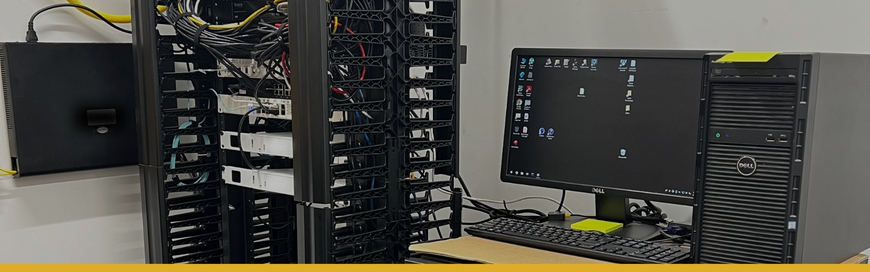
A few months ago, a dental office in California called us in a panic. A pipe had burst over the weekend, flooding their office and destroying their local hardware. By Monday morning, they couldn’t access patient charts, imaging, or schedules.
Thanks to an offsite encrypted backup, we had them operational again within hours.
Let’s be honest...your dental practice doesn’t run on autopilot. It runs on finely tuned systems, dedicated teams, and carefully scheduled appointments. But what happens when all that precision hits a digital brick wall?
Maybe it’s a sudden server glitch, a ransomware attack, or a software freeze that leaves you staring at a spinning wheel instead of your patient’s treatment plan.
Imagine waking up to find your dental practice's data compromised or lost. The panic that sets in is real, and the repercussions can be devastating. That's where backup and disaster recovery come into play.
For dental professionals, the safety of patient records is not just a legal obligation but a critical component of running an efficient practice.
In the heart of a bustling dental office, the smooth flow of each day relies heavily on the seamless operation of digital systems. From patient records to appointment schedules, every byte of data plays a critical role in delivering exceptional care.
Imagine the chaos that could ensue if this invaluable data was lost or compromised due to some form of disaster, such as server failure or ransomware.
Managing an orthodontic practice is no small feat. Between patient care, managing staff, and keeping up with the latest treatments, there’s a lot on your plate.
But one area that often gets overlooked is IT services. From ensuring patient data security to maintaining smooth operations, reliable IT services are crucial.