6 Crucial steps to take when your dental practice falls victim to a data breach
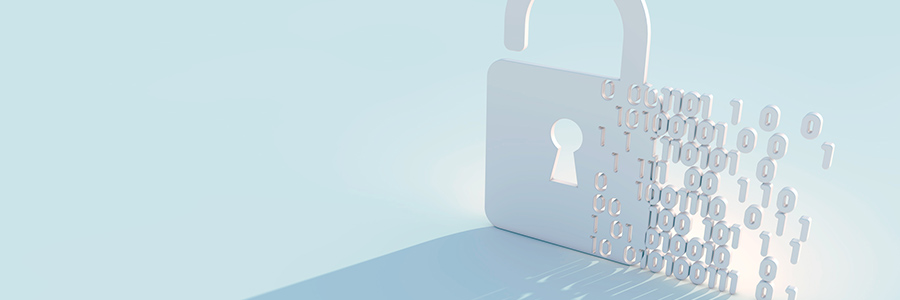
Data breaches pose grave threats to dental practices because they manage sensitive information relating to patients and their medical histories. If cybercriminals get a hold of this data, they can use it to commit fraud like forging credentials and making unauthorized transactions.

Prevent Phishing Scams in Dental Practices by Learning to Read URLs

Despite an ever-changing digital world, email has held strong as a popular form of communication for the dental community. Email targeting has allowed cybercriminals to excel at their craft and develop new and creative ways to scam you out of personal and potentially sensitive information.

Cybersecurity Trends to Watch Out For in 2021

The COVID-19 pandemic had an intense impact on the global economy and healthcare system — including the dental industry. In the early days of the pandemic, dental offices were forced to close except for emergency procedures, while other businesses quickly shifted to a work from home setting to continue their operations.

Protecting your Dental Clinic from Business Email Compromise Attacks

Businesses around the globe, including those in the dental industry, felt the impact of the COVID-19 pandemic. Some companies were forced to shut down, while others switched to a work from home setup to keep their operations afloat. Dental clinics, however, didn't have a choice but to temporarily halt their operations to prevent staff and patients from being infected.

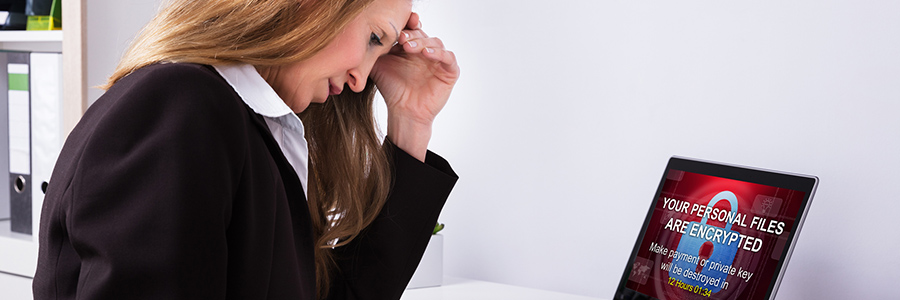
Signs Your Dental Clinic is About to be Hit by a Ransomware Attack

The evolution of dental technology has improved the way dental clinics operate. Practice management software streamlines processes such as billing, patient scheduling, and reporting, while 3D imaging and laser dentistry provide patients with more accurate diagnoses and better treatment options.

Widely Used Phishing Subject Lines

No other cyberthreat is as common and costly as a phishing attack. But despite all the warnings about phishing scams and emails, why are so many people still being fooled into opening phishing emails and clicking on compromised links? This is because cybercriminals are becoming more creative and are always looking for ways to trick even trained individuals into opening malicious emails.

Stop Data Breaches with Multifactor Authentication

Most dentists in Arizona, California, Nevada, Oregon and Washington rely on passwords to protect their patient records and limit the people who can access them. However, with the frequency of cyberattacks increasing daily and hackers getting more creative with how they infiltrate your network, passwords alone are not enough to keep them out.

How Your Employees can Participate in Cybersecurity

As a small- to medium-sized business (SMB) owner, keeping your dental clinic’s valuable data safe should be a priority. Cybercriminals often target SMBs and healthcare organizations because compared to larger corporations, these entities often lack the technology and manpower to run an efficient cybersecurity system, making them easier to infiltrate.

Reasons Cybercriminals Target Healthcare Providers

As cyberattacks against small- to medium-sized businesses (SMBs) continue to grow, one sector, in particular, has seen a significant increase in attacks over the years — the healthcare sector. Not only can a cyberattack disrupt the daily operations of healthcare providers, but it can also compromise their patients as well.

The Biggest Cybersecurity Issues of 2019

2019 showed that businesses of all sizes are not immune to cyberattacks. Hackers have developed new malware and techniques to infiltrate and steal corporate data hosted on traditional IT infrastructure, the cloud, mobile devices, and email platforms. As the year draws to a close, we look back at the most pressing cyberattacks of 2019, as well as rising cyberthreats for 2020.
Phishing attacks
Phishing remains the most widely used and most successful form of cyberattack because of its speed.